DIY Credit Repair: What You Can Do Before Hiring a Professional

Repairing your credit can seem like a daunting task, but many steps can be taken on your own before seeking professional help. By understanding your credit report and taking proactive measures, you can improve your credit score without spending a dime on professional services.
Understanding Your Credit Report
The first step in DIY credit repair is to obtain a copy of your credit report. You are entitled to a free report every year from each of the three major credit bureaus: Equifax, Experian, and TransUnion. Review these reports carefully to identify any errors or inaccuracies.

Once you have your reports, look for discrepancies such as incorrect personal information or accounts that do not belong to you. If you find errors, you can dispute them directly with the credit bureau.
Disputing Errors
To dispute an error, gather any supporting documents and submit a dispute letter to the credit bureau. Clearly state the mistake and provide evidence to support your claim. The bureau typically has 30 days to investigate and respond.
Correcting errors on your credit report can have a significant impact on your credit score, so it’s crucial to address these issues promptly.
Paying Down Debt
Reducing your overall debt is a powerful way to improve your credit score. Start by focusing on high-interest debts first, as these can accrue quickly and become unmanageable.
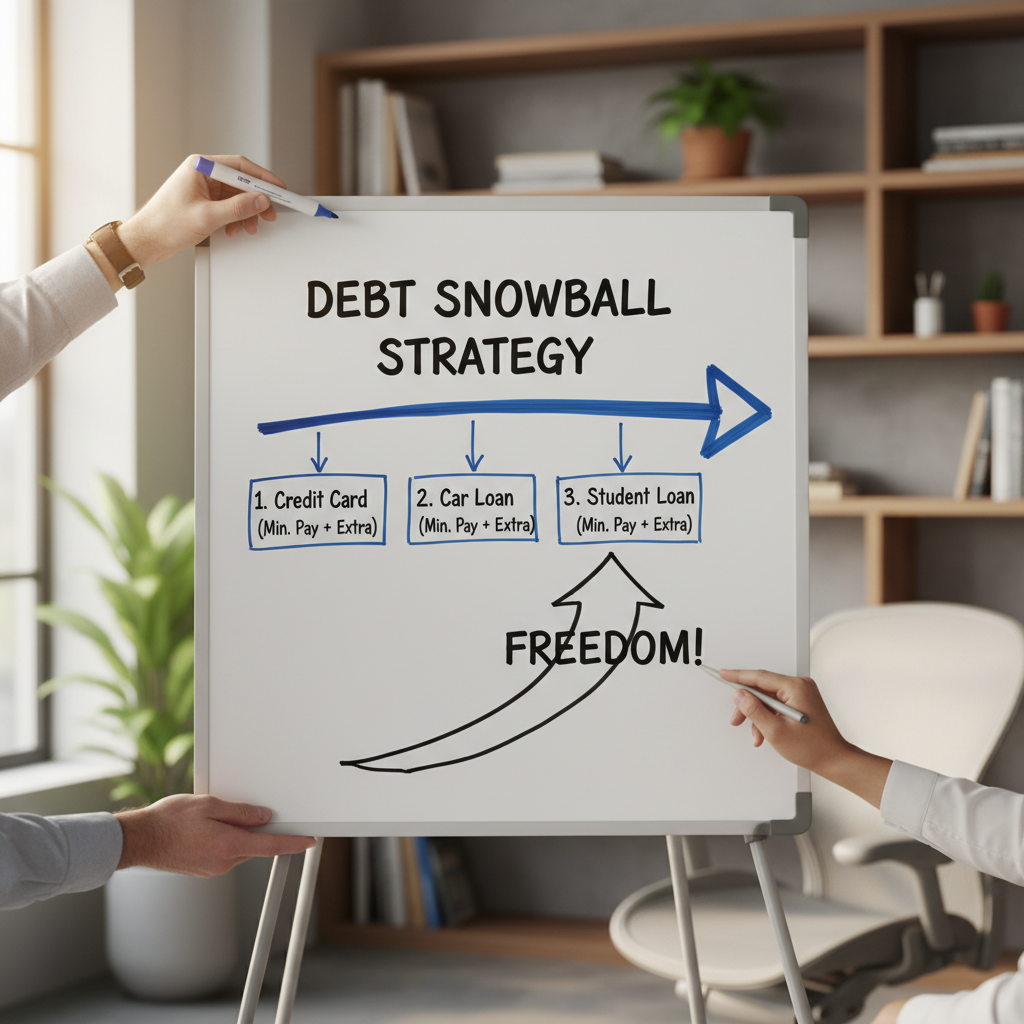
Consider using the avalanche or snowball method to tackle your debts. The avalanche method targets high-interest debts first, while the snowball method focuses on paying off the smallest debts first to build momentum.
Creating a Budget
Creating and sticking to a budget is essential for effective debt management. List your income and expenses, and identify areas where you can cut back. Use these savings to pay down your debts more aggressively.
- Track your spending regularly.
- Adjust your budget as needed.
- Set realistic financial goals.
By managing your finances diligently, you can gradually reduce your debt and improve your credit score.
Building Positive Credit Habits
Once you have addressed errors and started paying down debt, focus on building positive credit habits. Pay your bills on time, as payment history is a significant factor in your credit score.

Consider setting up automatic payments to avoid missing due dates. Additionally, keep your credit utilization low by maintaining a balance that is less than 30% of your credit limit.
Avoiding New Hard Inquiries
Each time you apply for new credit, a hard inquiry is made on your report, which can lower your score. Avoid applying for unnecessary credit and only seek new credit when it’s essential.
By following these steps, you can take control of your credit and make significant improvements on your own. If you find the process overwhelming, then it may be time to consider hiring a professional to guide you further.