DIY Tips for Improving Your Credit Score Before a Major Purchase

Understand Your Credit Report
Before you can improve your credit score, it's important to understand what makes up your credit report. You can obtain a free copy of your credit report from the major credit bureaus once a year. Review it carefully to identify any inaccuracies or areas that need attention. Look for errors, such as incorrect account information or late payments that you know were made on time.
Dispute Any Errors
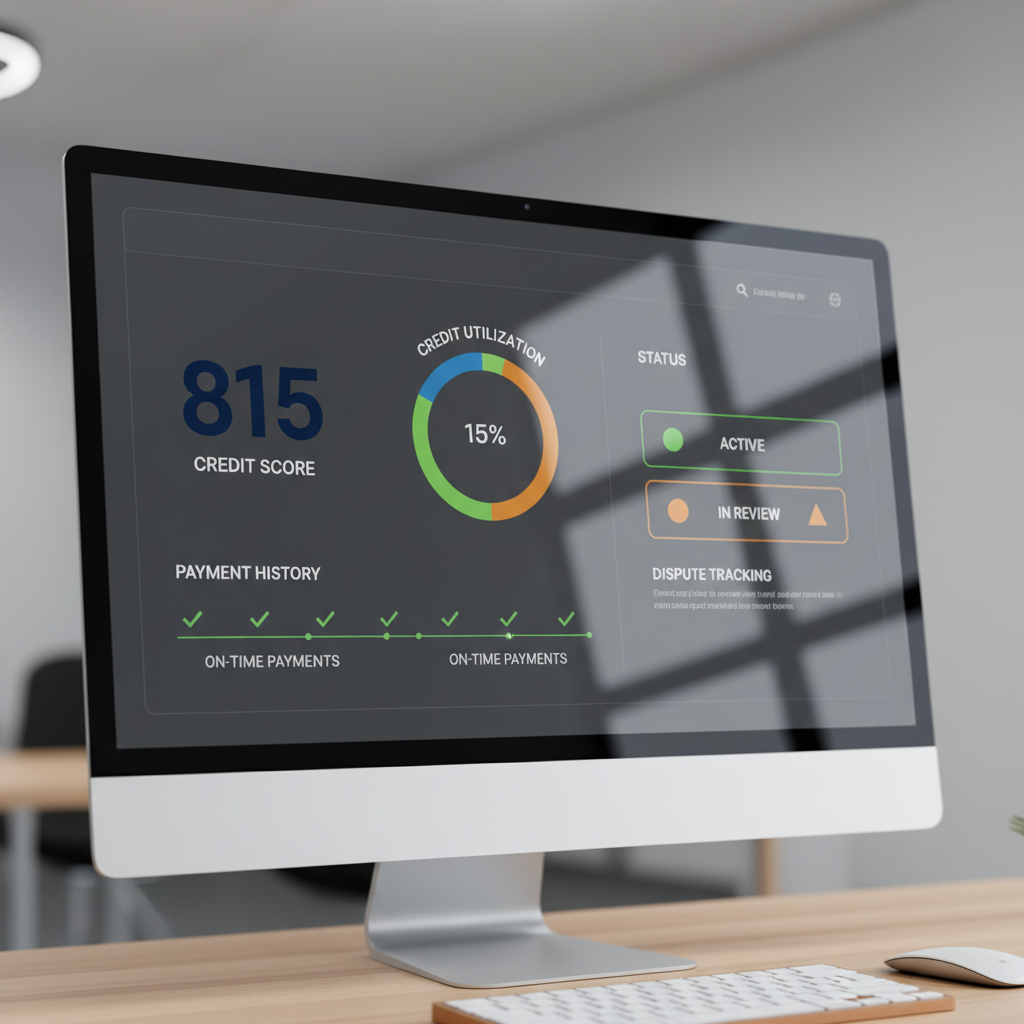
If you find any discrepancies on your credit report, take immediate action to dispute them. Contact the credit bureau that issued the report and provide documentation to support your claim. Correcting errors can result in a quick boost to your credit score, which is crucial before making a major purchase.
Pay Down Existing Debt
One of the most effective ways to improve your credit score is to pay down your existing debt. Focus on reducing balances on credit cards, as high credit utilization can negatively impact your score. Aim to keep your credit utilization below 30% of your total available credit. This will demonstrate to lenders that you are a responsible borrower.
Create a Budget
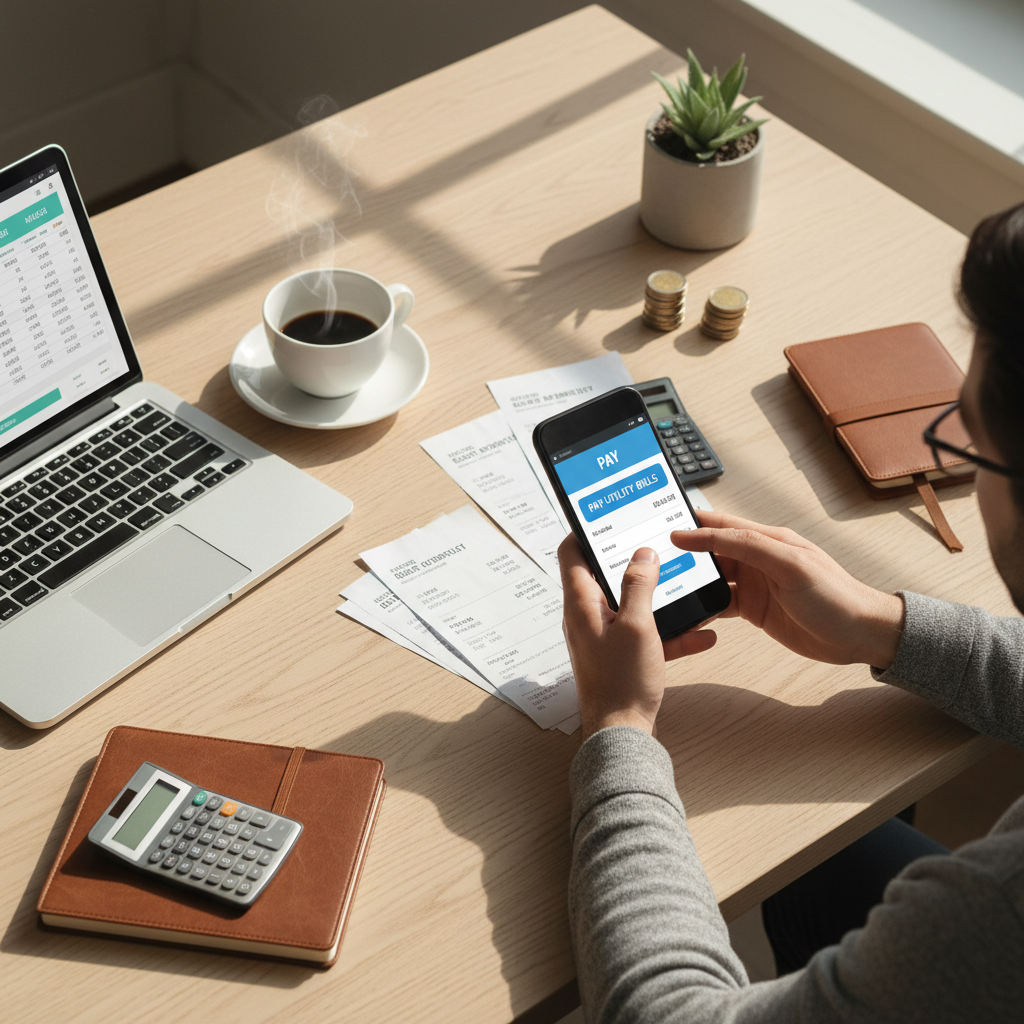
To effectively manage your debt repayment, create a realistic budget that outlines your monthly expenses and income. Allocate a portion of your budget specifically for debt repayment to ensure you’re consistently reducing your outstanding balances. Sticking to a budget can also help you avoid accumulating new debt.
Make Payments on Time
Timely payments are a significant factor in your credit score. Set up automatic payments or reminders to ensure you never miss a due date. Even a single late payment can have a substantial impact, so prioritize paying bills on time to maintain a healthy credit score.
Limit New Credit Applications
Each time you apply for new credit, a hard inquiry is made on your credit report, which can temporarily lower your score. Be strategic about applying for new lines of credit, especially when preparing for a major purchase. Only seek new credit if it’s absolutely necessary.
Consider a Secured Credit Card
If you're struggling to build or repair your credit, a secured credit card can be a useful tool. These cards require a deposit that serves as your credit limit. Use the card responsibly and make timely payments to gradually improve your credit score.
Monitor Your Progress
Regularly monitoring your credit score will help you track your progress and make adjustments as needed. Many online services offer free credit score monitoring, giving you insights into how your actions are impacting your score over time.
Improving your credit score before making a major purchase takes time and effort, but the benefits are well worth it. By following these DIY tips, you’ll be better positioned to secure favorable financing terms and achieve your financial goals.