How to Improve Your Credit Score Quickly: A Step-by-Step Guide


Understanding Your Credit Score
Before diving into strategies to improve your credit score, it's essential to understand what it is. Your credit score is a numerical representation of your creditworthiness, ranging from 300 to 850. Lenders use this score to evaluate the risk of lending money to you. A higher score indicates a lower risk, making it easier to obtain loans and credit cards with favorable terms.
Several factors influence your credit score, including payment history, credit utilization, length of credit history, new credit, and credit mix. Focusing on these areas can help you improve your score effectively.
Check Your Credit Report
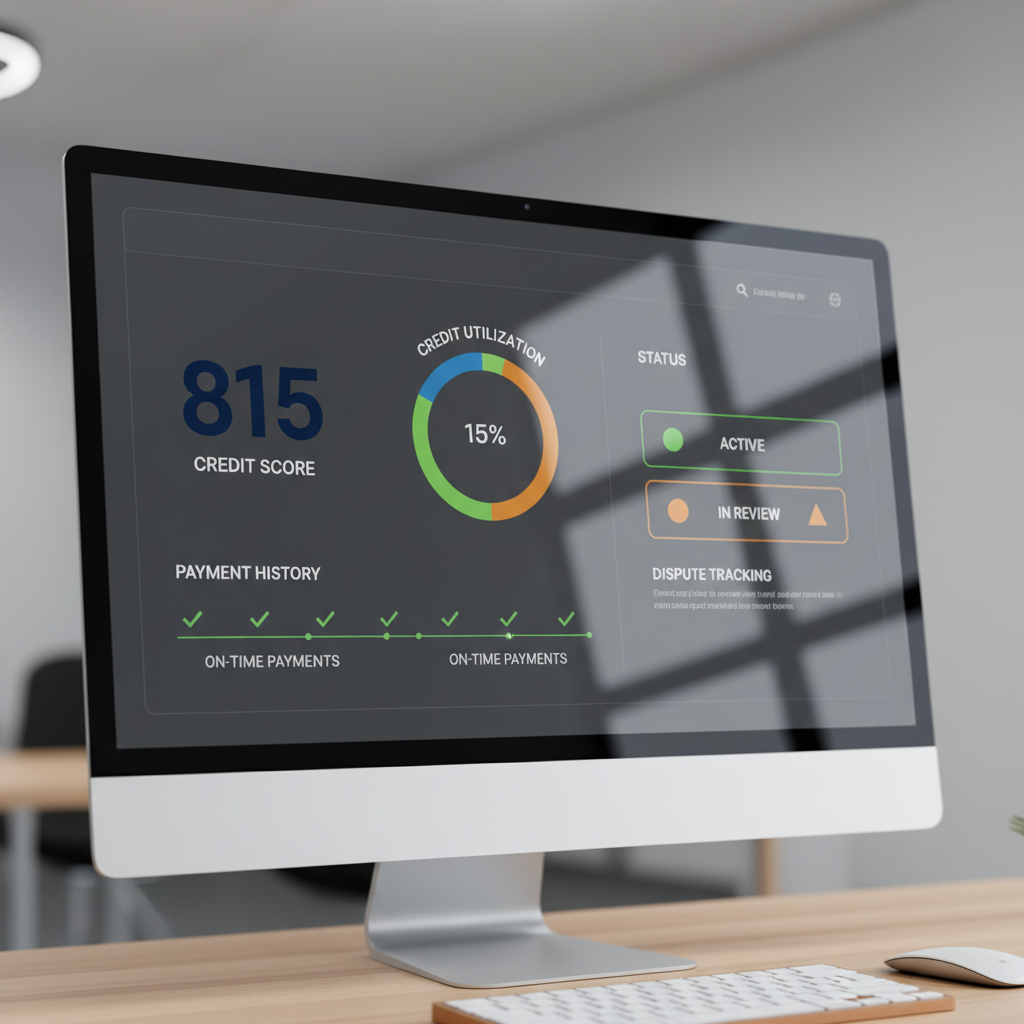
The first step in improving your credit score is to check your credit report for errors. You're entitled to one free report annually from each of the three major credit bureaus: Equifax, Experian, and TransUnion.
Review for Errors
Carefully review your credit report for mistakes such as incorrect personal information, accounts that don’t belong to you, or inaccurate account statuses. Dispute any errors you find, as they can negatively impact your score.
Pay Your Bills on Time
Payment history is one of the most significant factors affecting your credit score. Late payments can have a substantial negative impact, so it's crucial to pay all your bills on time. Consider setting up automatic payments or reminders to ensure you never miss a due date.

Reduce Your Debt
High credit card balances can hurt your credit score. Focus on paying down your existing debt, starting with high-interest accounts. This not only improves your score but also reduces the amount of money you spend on interest.
Lower Your Credit Utilization Ratio
Your credit utilization ratio is the amount of credit you're using compared to your total available credit. Aim to keep this ratio below 30%. You can achieve this by paying down debt or requesting a credit limit increase.
Increase Your Credit Limits
Contact your credit card issuers to request an increase in your credit limit. A higher limit with the same balance reduces your utilization ratio, which can positively impact your score.
Limit Hard Inquiries
Each time you apply for new credit, a hard inquiry appears on your credit report, which can temporarily lower your score. Limit new credit applications and only open new accounts when necessary.
Consider a Secured Credit Card
If you're struggling to improve your credit score, consider opening a secured credit card. These cards require a deposit, which acts as your credit limit. Use it responsibly to build a positive payment history.
Improving your credit score takes time and effort, but by following these steps, you can make significant progress. Remember to remain patient and consistent in your efforts for the best results.