Legal Document Signing: What to Expect in Michigan


Understanding the Legal Document Signing Process in Michigan
When dealing with legal documents, it's crucial to understand the signing process to ensure everything is done correctly and legally binding. In Michigan, this process might vary slightly compared to other states, so being informed is essential for both individuals and businesses.
Common Types of Legal Documents
In Michigan, some common legal documents that often require signing include contracts, wills, power of attorney forms, and real estate agreements. Each of these documents serves a different purpose and comes with its own set of rules and regulations. It's important to know what is expected when signing these documents to avoid any legal pitfalls.
For example, a will must be signed in the presence of two witnesses, while real estate agreements may require notarization. Understanding these requirements helps in ensuring that the document holds up in a court of law, should there be any disputes.
Role of a Notary Public
A notary public plays a significant role in the legal document signing process in Michigan. They act as an impartial witness to the signing of documents, verifying the identities of the signers and ensuring they are signing of their own free will. This step is crucial as it adds a layer of authenticity and legality to the document.

Notarization is particularly important for documents like deeds, mortgages, and affidavits. In some cases, failing to have a document notarized can invalidate it, leading to legal complications. Therefore, it's advisable to check whether notarization is necessary before proceeding with the signing process.
Steps to Signing a Legal Document
Here is a general outline of the steps involved in signing a legal document in Michigan:
- Review the document thoroughly to understand its contents and implications.
- Ensure that the document is complete and all necessary information is filled in correctly.
- If required, have the document notarized by a certified notary public.
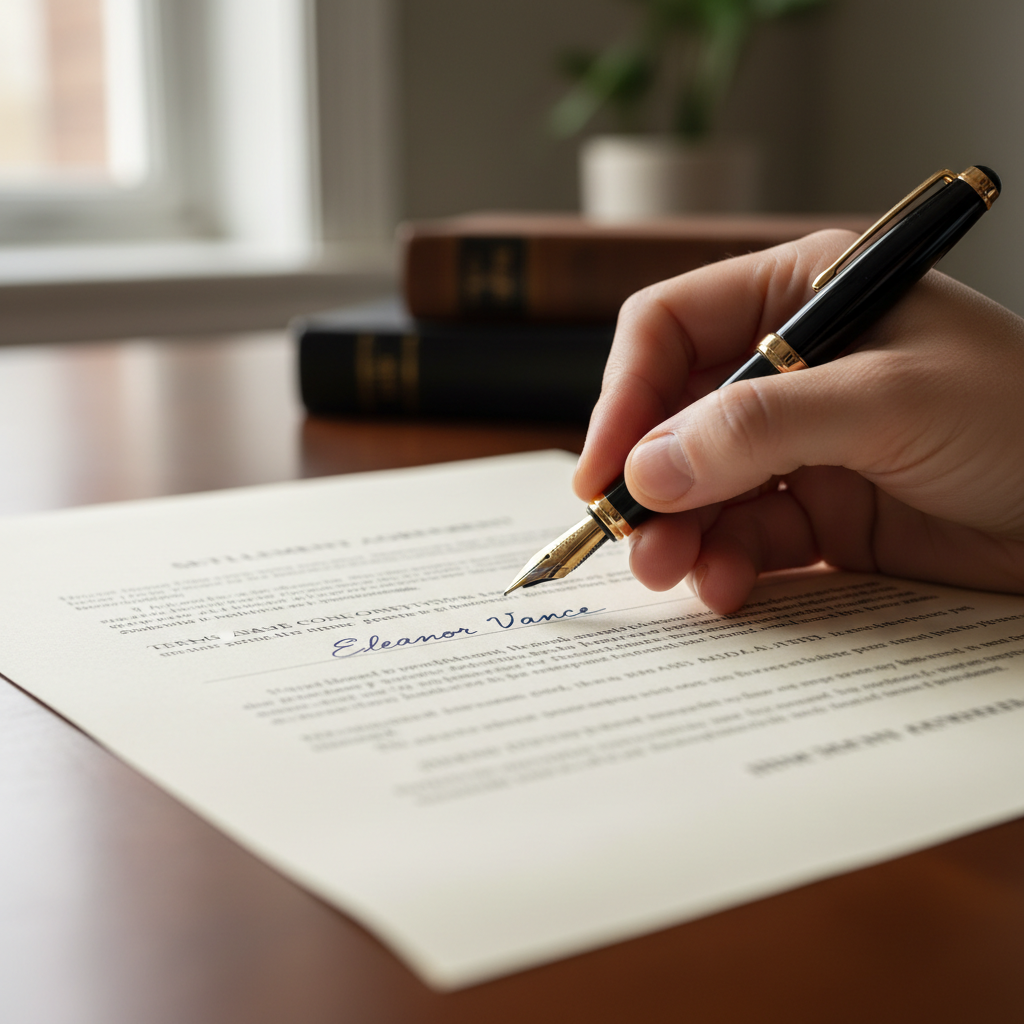
- Sign the document in the designated areas and, if necessary, have witnesses present.
- Keep a copy of the signed document for your records.
Tips for a Smooth Signing Process
To ensure a smooth signing process, consider the following tips:
- Consult a Legal Professional: If you're unsure about any part of the document, it's wise to consult with a legal professional for guidance.
- Verify All Parties: Ensure that all parties involved in the signing process are present and have the proper identification.
- Check for Errors: Before signing, double-check the document for any errors or omissions that could affect its validity.

By following these guidelines, you can avoid common pitfalls and ensure that your legal documents are signed correctly and legally binding in Michigan. Whether you're signing a simple contract or a complex legal agreement, understanding the process is key to protecting your rights and interests.